
Bar & Wine: A Complete Guide to Culture, Selection, and Experience
Introduction to Bar and Wine Culture
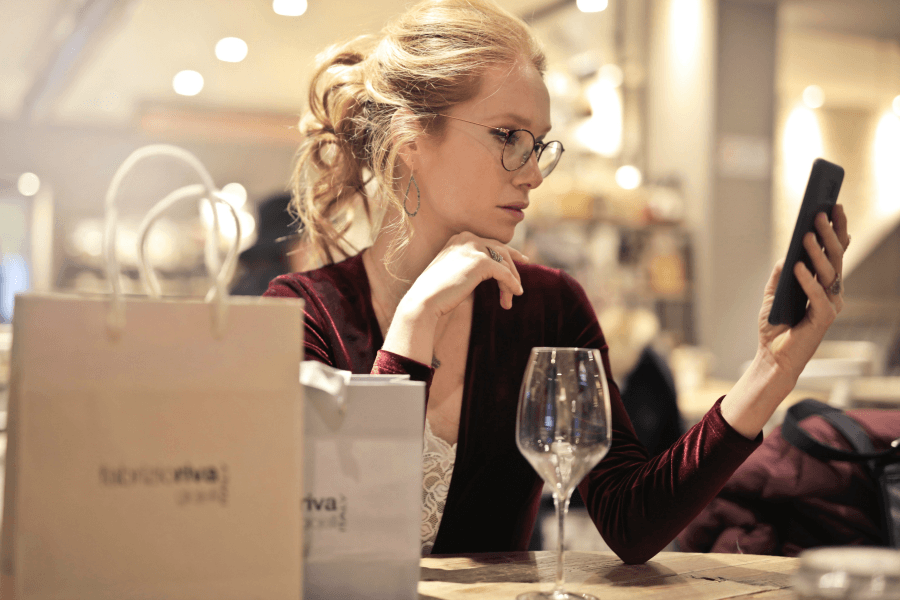
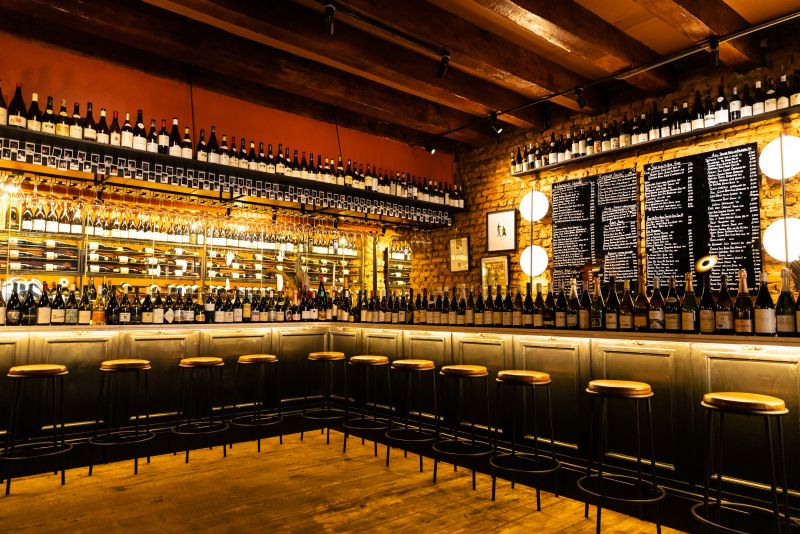
A bar and wine environment represents more than a place to drink. It reflects hospitality, craftsmanship, and social connection shaped by centuries of tradition. From relaxed neighborhood wine lounges to upscale tasting venues, these spaces serve as meeting points where people explore flavors, celebrate milestones, and unwind after long days.
Wine culture continues to evolve with modern preferences while maintaining strong roots in regional traditions. Today, bars emphasize curated selections, knowledgeable service, and immersive atmospheres that elevate the drinking experience beyond simple refreshment.
Understanding Different Types of Wine Bars
Wine bars vary widely depending on their concept, clientele, and offerings. Each format provides a distinct experience tailored to different preferences.
Traditional Wine Bars
Traditional wine bars focus primarily on curated wine selections and simple accompaniments such as cheese boards and light snacks. These venues emphasize authenticity and regional wine appreciation.
Key characteristics include:
- Extensive bottle selections
- Quiet and relaxed seating
- Sommelier recommendations
- Classic serving methods
Contemporary Wine Lounges
Modern wine lounges blend design aesthetics with social interaction. They attract younger audiences interested in experimentation and casual tasting experiences.
Typical features:
- Stylish interiors
- Fusion food menus
- Wine flights and samplers
- Seasonal selections
Hybrid Bar and Wine Restaurants
Some venues combine full dining services with strong wine programs. These establishments appeal to guests seeking complete culinary pairings.
Common highlights:
- Multi-course pairing menus
- Premium imported labels
- Chef-curated tasting experiences
Popular Wine Categories Served in Bars
Wine bars typically organize their menus by major categories that help guests navigate flavor profiles easily.
Red Wine
Red wines are known for deeper aromas and fuller textures. They pair well with hearty meals and are often served slightly below room temperature.
Examples include:
- Cabernet Sauvignon
- Merlot
- Pinot Noir
- Shiraz
White Wine
White wines are lighter and refreshing, making them ideal for warm climates and lighter cuisine.
Popular selections:
- Chardonnay
- Sauvignon Blanc
- Riesling
- Pinot Grigio
Rosé Wine
Rosé offers a balance between red and white wines, combining freshness with mild fruit complexity.
Best suited for:
- Casual gatherings
- Summer evenings
- Light appetizers
Sparkling Wine
Sparkling wine adds celebration and elegance to any setting.
Common choices:
- Champagne
- Prosecco
- Cava
How Wine Is Selected for Bar Menus
Selecting wines for a bar involves strategy, balance, and customer awareness. Owners typically consider several factors before finalizing their offerings.
Important considerations include:
- Regional diversity
- Price range accessibility
- Seasonal demand
- Food compatibility
- Storage conditions
A well-designed wine list reflects both expertise and approachability, encouraging guests to explore confidently.
Essential Wine Service Practices
Professional wine service enhances both taste and presentation. Proper handling ensures guests experience wine at its best quality.
Key service steps include:
- Checking bottle condition
- Serving at appropriate temperature
- Using correct glassware
- Allowing wines to breathe when needed
- Presenting labels clearly to guests
Attention to detail distinguishes excellent wine service from ordinary hospitality.
Food Pairing with Wine
Pairing wine with food enhances flavors and creates memorable dining experiences. Bars increasingly emphasize curated pairing menus to guide guests effectively.
Popular pairing combinations include:
Red wine pairs well with:
- Grilled meats
- Roasted vegetables
- Aged cheeses
White wine pairs well with:
- Seafood
- Poultry
- Cream-based dishes
Sparkling wine pairs well with:
- Fried appetizers
- Salads
- Light desserts
Balanced pairings elevate both the meal and the beverage.
The Role of Ambience in Wine Bars
Atmosphere strongly influences how guests perceive wine quality and enjoyment. Lighting, music, seating layout, and décor contribute to overall satisfaction.
Important ambience elements include:
- Warm lighting tones
- Comfortable seating
- Acoustic balance
- Thoughtful bottle displays
- Clean presentation areas
A welcoming environment encourages longer visits and repeat customers.
Trends Shaping Modern Wine Bars
Wine culture continues adapting to evolving consumer expectations. Several trends are currently shaping bar concepts worldwide.
Emerging developments include:
- Organic and natural wine selections
- Local vineyard partnerships
- Sustainable serving practices
- Digital wine menus
- Wine tasting events and workshops
These innovations keep wine bars relevant and engaging for contemporary audiences.
Tips for Choosing the Right Wine at a Bar
Selecting wine becomes easier with a few simple strategies.
Helpful tips include:
- Start with lighter wines before stronger ones
- Ask staff for pairing suggestions
- Try tasting flights for comparison
- Consider seasonal recommendations
- Explore unfamiliar regions gradually
Confidence grows with experimentation and curiosity.
Frequently Asked Questions
What is the difference between a wine bar and a regular bar
A wine bar focuses primarily on curated wine selections and tasting experiences, while regular bars typically serve a wider variety of alcoholic beverages including cocktails and spirits.
How should wine be stored in a bar environment
Wine should be stored in temperature-controlled conditions away from direct light and vibration to preserve flavor and aroma quality.
Why do wine glasses have different shapes
Different glass shapes enhance aroma concentration and flavor delivery based on the wine’s characteristics.
Can beginners enjoy visiting wine bars without prior knowledge
Yes. Most wine bars encourage exploration and staff members usually guide guests through selections based on taste preferences.
Are expensive wines always better in quality
Price often reflects rarity, aging potential, and origin, but personal preference plays a major role in determining enjoyment.
What is a wine tasting flight
A tasting flight is a small selection of multiple wines served together so guests can compare flavors and styles.
How often do wine bars update their wine menus
Many wine bars update their selections seasonally or based on availability from vineyards and distributors.