
Restaurant Interior Design Ideas That Attract Customers Quickly
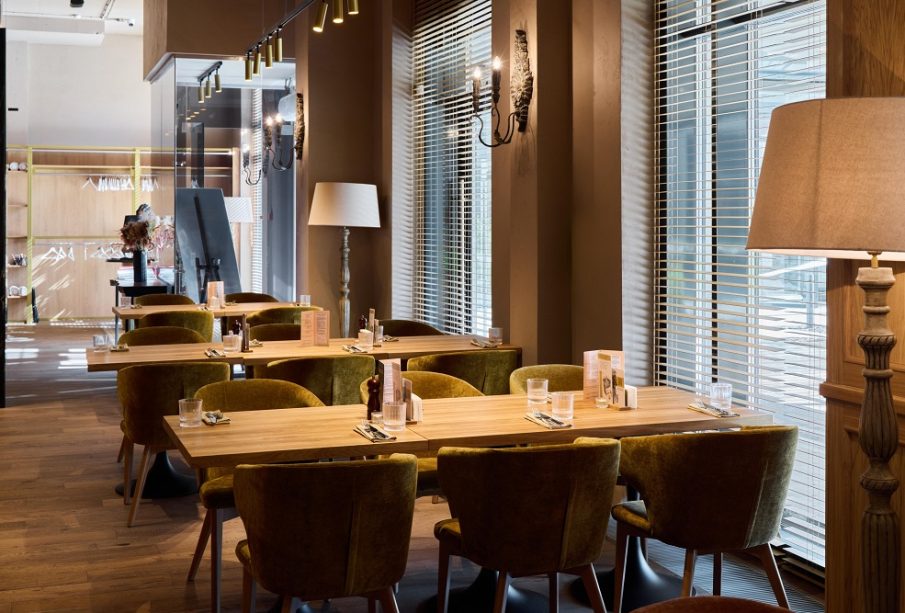
A restaurant’s interior design shapes the very first impression customers form before tasting the food. Thoughtful design choices influence how long guests stay, how comfortable they feel, and whether they return. When layout, lighting, colors, and ambience work together, the space becomes a silent marketing tool that attracts customers naturally and consistently.
Below are practical, experience-driven restaurant interior design ideas that help businesses create visually appealing spaces and memorable dining experiences.
Create a Strong First Impression with Entrance Design
The entrance acts as the visual invitation to customers walking past your restaurant. A well-designed entry can instantly communicate quality, theme, and personality.
Consider the following elements:
- Clear and attractive signage visible from a distance
- Warm lighting that highlights the doorway during evening hours
- Glass panels or open layouts that allow people to see inside
- Decorative plants or seating near the entrance
A welcoming entrance increases walk-in traffic significantly, especially in busy commercial areas.
Choose a Theme That Reflects Your Brand Identity
Customers remember restaurants that feel unique and cohesive. Selecting a consistent interior theme helps create recognition and emotional connection.
Popular restaurant interior themes include:
- Rustic wooden interiors for warmth and comfort
- Modern minimalist layouts for sophistication
- Industrial-style brick and metal finishes for urban appeal
- Luxury fine-dining aesthetics for premium experiences
Consistency between menu style and interior theme builds trust and improves customer perception.
Use Lighting to Set the Mood
Lighting influences both comfort and dining behavior. Proper lighting makes food look more appealing and creates emotional comfort.
Effective restaurant lighting strategies include:
- Warm ambient lighting for relaxed dining
- Accent lighting to highlight artwork or feature walls
- Pendant lights above tables for focused illumination
- Natural daylight integration wherever possible
Layered lighting allows restaurants to adjust atmosphere throughout the day.
Optimize Seating Layout for Comfort and Flow
A well-planned seating arrangement increases both comfort and operational efficiency. Customers prefer spaces where they feel relaxed rather than crowded.
Important seating layout considerations:
- Maintain adequate walking space between tables
- Provide a mix of booth seating and standard tables
- Include flexible seating for groups
- Avoid blocking natural movement paths
Comfortable seating encourages longer visits and higher order values.
Select Colors That Influence Appetite and Mood
Color psychology plays an important role in restaurant environments. Warm tones often stimulate appetite and encourage conversation.
Common color strategies used in restaurants:
- Red and orange to energize dining spaces
- Earthy tones for relaxed and natural environments
- Neutral shades for premium modern interiors
- Soft pastel palettes for cafes and dessert spaces
Avoid overly dark or overly bright combinations that may create discomfort.
Add Instagram-Friendly Design Elements
Modern diners enjoy sharing experiences online. Creating visually attractive spots inside the restaurant increases organic promotion through social media.
Ideas that work especially well include:
- Artistic wall murals
- Statement lighting fixtures
- Neon typography displays
- Unique table arrangements
- Decorative greenery installations
Customers often become brand ambassadors when interiors are photo-worthy.
Incorporate Natural Elements for a Refreshing Atmosphere
Biophilic design improves customer comfort and enhances perceived air quality. Natural elements create a calm and inviting environment.
Effective additions include:
- Indoor plants and vertical gardens
- Wooden textures and finishes
- Natural stone accents
- Sunlight through large windows
Restaurants with greenery tend to feel more welcoming and memorable.
Design an Open Kitchen for Transparency and Engagement
Open kitchen concepts allow customers to observe food preparation. This builds trust and adds entertainment value to the dining experience.
Benefits include:
- Increased customer confidence in hygiene
- Stronger engagement with chefs and cooking process
- Enhanced freshness perception
- A lively dining atmosphere
Proper ventilation and layout planning are essential for this concept to succeed.
Use Wall Decor to Strengthen Storytelling
Walls provide an opportunity to communicate brand personality without occupying floor space.
Popular wall decor options include:
- Local artwork supporting community identity
- Food-themed illustrations
- Cultural storytelling elements
- Typography-based quotes
Meaningful wall decor helps customers emotionally connect with the restaurant.
Improve Acoustics for Comfortable Conversations
Noise control is often overlooked but greatly influences customer satisfaction.
Practical acoustic improvements include:
- Upholstered seating
- Fabric wall panels
- Wooden ceiling features
- Strategic layout spacing
A quieter environment encourages longer stays and repeat visits.
Keep Restroom Design Consistent with Overall Theme
Customers often judge cleanliness and professionalism based on restroom quality. A well-designed restroom strengthens brand credibility.
Consider adding:
- Adequate lighting
- Mirrors that enhance space perception
- Neutral fragrances
- Durable and easy-to-clean materials
Consistency across all areas improves overall customer experience.
Frequently Asked Questions
What interior design feature attracts customers the fastest
Entrance visibility combined with warm lighting and attractive signage usually creates the strongest immediate impact on walk-in customers.
How important is lighting in restaurant interior design
Lighting directly influences mood, food presentation, and customer comfort, making it one of the most critical design elements.
Which colors increase appetite in restaurants
Warm shades such as red, orange, and earthy tones are widely known to stimulate appetite and encourage conversation.
Should small restaurants use open kitchen layouts
Yes, small restaurants benefit from open kitchens because they create transparency and make the space feel more interactive and spacious.
How can interior design increase customer retention
Comfortable seating, pleasant lighting, and a consistent theme create emotional connection, encouraging customers to return.
Is greenery necessary in restaurant interiors
Indoor plants improve visual comfort, enhance atmosphere, and help create a relaxing dining environment that customers appreciate.
How often should restaurant interiors be updated
Minor updates every one to two years and major renovations every five to seven years help maintain freshness and competitiveness.