

How Recipes Help Maintain Cooking Consistency
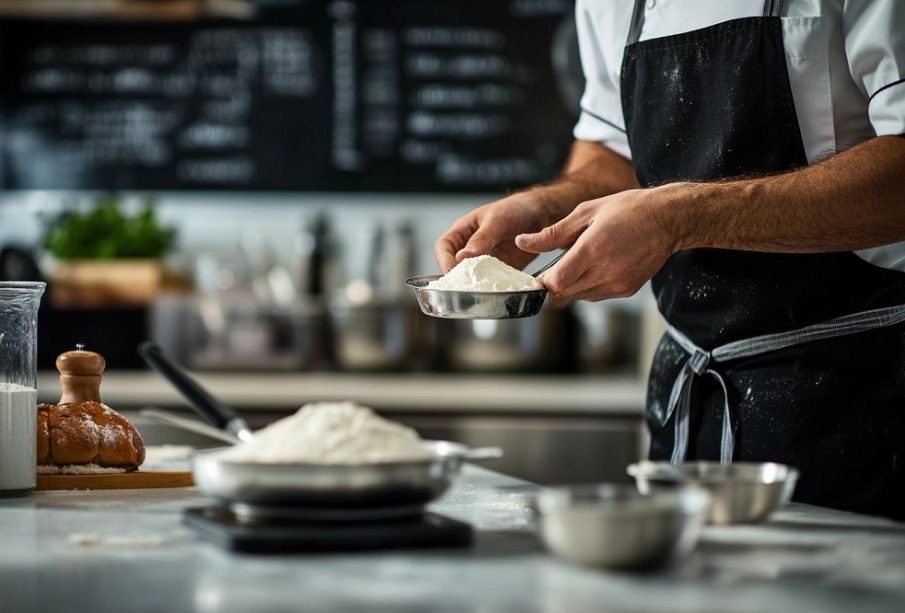
Cooking consistency is the foundation of dependable meals. Whether preparing food at home or in a professional kitchen, recipes act as structured guides that ensure flavor, texture, and presentation remain predictable every time. Instead of relying on guesswork, cooks can produce reliable results through clear measurements, sequencing, and timing.
Recipes are more than simple instructions. They function as repeatable systems that help preserve quality and reduce variation across different cooking sessions.
Why Consistency Matters in Cooking
Consistency ensures that dishes meet expectations each time they are prepared. When meals turn out the same way repeatedly, it builds trust in both the process and the outcome.
Maintaining consistency helps:
- Preserve flavor balance
- Control portion size accurately
- Maintain cooking time efficiency
- Reduce ingredient waste
- Improve confidence in the kitchen
For professional kitchens, consistency supports brand reputation. For home cooks, it makes meal planning more dependable and less stressful.
Recipes Provide Accurate Measurements
Precise ingredient quantities play a major role in achieving repeatable results. Even small variations can affect texture, taste, and appearance.
Recipes guide cooks by specifying:
- Exact ingredient amounts
- Proper ratios between components
- Recommended substitutions when necessary
- Scaling instructions for larger or smaller servings
Using consistent measurements ensures the final dish maintains its intended flavor structure.
Step-by-Step Instructions Reduce Errors
Clear instructions help eliminate uncertainty during cooking. Recipes break complex processes into manageable steps that are easy to follow.
These structured steps help:
- Prevent skipped stages
- Maintain proper cooking order
- Avoid temperature mistakes
- Improve timing accuracy
Following a reliable sequence supports smoother preparation and better results.
Recipes Support Flavor Balance
Flavor consistency depends on maintaining the correct relationship between ingredients such as salt, acid, fat, sweetness, and spices.
Recipes help cooks:
- Maintain seasoning accuracy
- Control spice intensity
- Balance textures effectively
- Preserve signature taste profiles
Over time, this consistency allows cooks to refine dishes without losing their original character.
Standardization Improves Kitchen Efficiency
Standardized recipes streamline preparation by reducing decision-making during cooking. When instructions remain the same, workflow becomes faster and more organized.
Efficiency benefits include:
- Reduced preparation time
- Easier delegation in shared kitchens
- Better ingredient inventory control
- Improved training for beginners
Consistency transforms cooking from trial-and-error into a structured routine.
Recipes Help Control Food Quality
Quality control becomes easier when each step is documented clearly. Recipes serve as references that allow cooks to compare outcomes and adjust techniques when needed.
They help maintain:
- Uniform texture across batches
- Consistent cooking temperatures
- Reliable presentation standards
- Predictable portion sizes
This structured approach ensures dependable results across multiple cooking sessions.
Recipes Encourage Skill Development Over Time
Recipes are not limitations. Instead, they function as learning frameworks that help cooks understand how ingredients behave together.
As cooks repeat the same recipe:
- Techniques become more refined
- Timing improves naturally
- Ingredient familiarity increases
- Confidence grows steadily
Eventually, recipes become foundations for creativity rather than strict rules.
Recipes Make Meal Planning More Reliable
Planning meals becomes easier when cooking results are predictable. Recipes provide structure that helps organize ingredients, preparation time, and workflow.
Reliable planning supports:
- Reduced last-minute decisions
- Better grocery organization
- Consistent nutrition intake
- Efficient weekly scheduling
Consistency turns cooking into a manageable routine instead of a daily challenge.
Recipes Help Maintain Consistency Across Different Cooks
When multiple people prepare the same dish, recipes ensure similar outcomes regardless of who is cooking.
This is especially useful for:
- Families sharing cooking responsibilities
- Restaurants maintaining menu standards
- Catering operations producing large quantities
- Beginners learning from experienced cooks
Shared instructions create shared results.
FAQ Section
How do recipes reduce cooking mistakes
Recipes provide structured steps and accurate measurements that help prevent skipped stages, incorrect timing, and seasoning errors.
Can experienced cooks still benefit from recipes
Yes. Even skilled cooks rely on recipes to maintain consistency, especially when repeating signature dishes or scaling portions.
Do recipes improve cooking speed over time
Following recipes regularly builds familiarity with processes, which naturally increases preparation speed and efficiency.
Are written recipes better than memorized cooking methods
Written recipes provide reliable references that help maintain accuracy, especially when preparing complex dishes or cooking for larger groups.
How do recipes help with portion control
Recipes specify serving sizes and ingredient quantities, making it easier to prepare consistent portions without guesswork.
Can recipes help beginners gain confidence in cooking
Yes. Clear instructions reduce uncertainty and allow beginners to develop skills through repeatable success.
Do recipes support healthier meal preparation
Recipes often include balanced ingredient proportions, helping cooks manage nutrition and maintain consistent dietary habits.