
Essential Catering Equipment Needed for Event Success
Successful events depend heavily on preparation, coordination, and the right equipment. Whether managing a wedding reception, corporate function, festival service, or private gathering, catering professionals rely on specialized tools that ensure food safety, presentation quality, and service efficiency. Investing in essential catering equipment helps streamline operations, reduce delays, and create a memorable guest experience.
This guide explains the most important catering equipment required for smooth event execution and professional results.
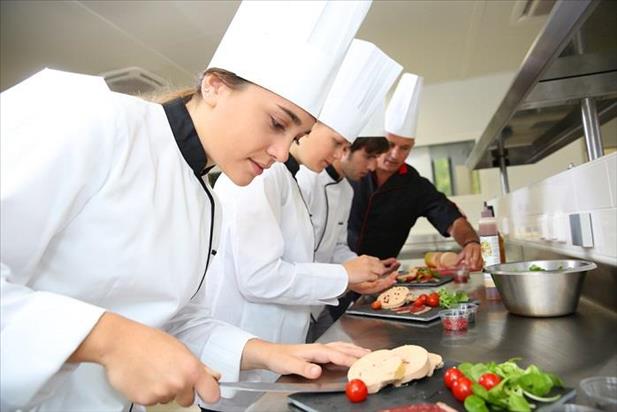
Food Preparation Equipment
Food preparation begins long before guests arrive. Reliable prep equipment helps maintain speed and consistency across large-scale service.
Key preparation tools include:
- Commercial knives and cutting boards for efficient ingredient handling
- Food processors for chopping, slicing, and mixing large quantities quickly
- Mixing bowls in multiple sizes for ingredient organization
- Portable prep tables that expand workspace at event venues
- Immersion blenders for soups, sauces, and dressings
Proper preparation equipment reduces kitchen bottlenecks and improves workflow coordination during busy service hours.
Cooking Equipment
Cooking equipment is the backbone of any catering operation. Portable and adaptable solutions are especially valuable for off-site events.
Essential cooking equipment includes:
- Portable gas burners or induction cooktops
- Commercial ovens or convection ovens
- Flat-top grills and griddles
- Stock pots and sauté pans
- Chafing fuel systems for reheating
Selecting flexible cooking equipment allows caterers to maintain food quality even in temporary kitchen environments.
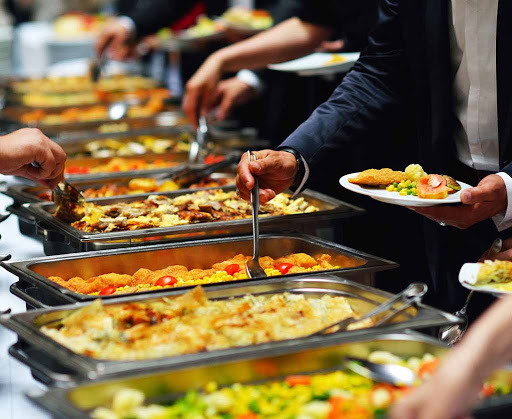
Food Holding and Warming Equipment
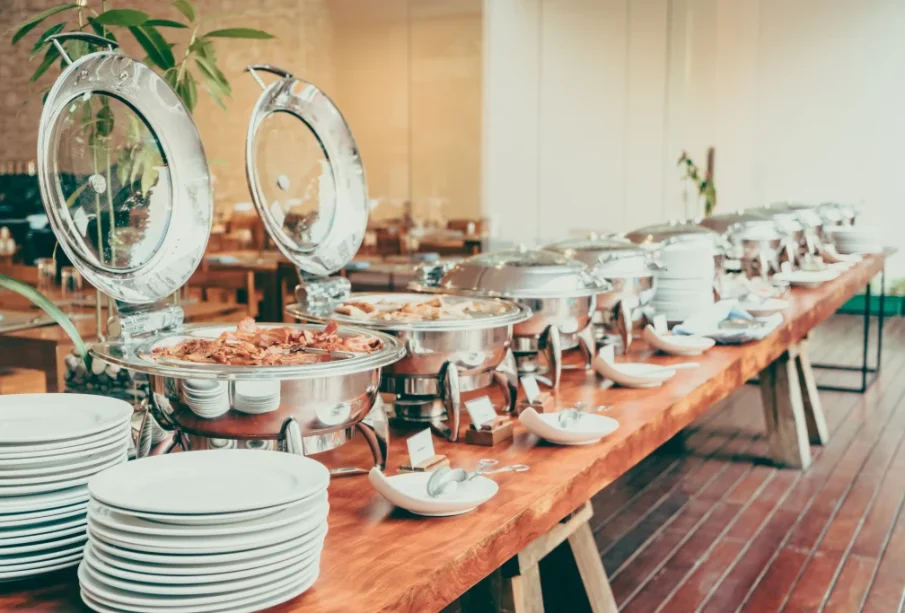
Maintaining proper food temperature ensures safety and enhances taste. Professional warming equipment keeps dishes ready for service without compromising freshness.
Important warming equipment includes:
- Chafing dishes
- Electric food warmers
- Hot holding cabinets
- Insulated food transport containers
These tools help caterers comply with hygiene standards while preserving texture and flavor.
Refrigeration and Cold Storage Equipment
Cold storage is critical for maintaining ingredient freshness and preventing spoilage during transportation and service.
Essential refrigeration equipment includes:
- Portable refrigerators
- Ice boxes and insulated coolers
- Refrigerated transport containers
- Mobile refrigeration trailers for large events
Reliable cooling equipment protects both food quality and guest health.
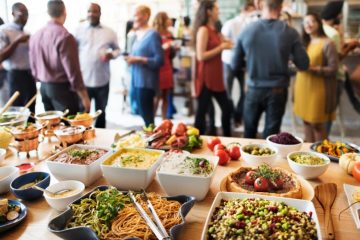
Serving Equipment and Display Solutions
Presentation plays a major role in guest satisfaction. Attractive serving arrangements elevate the overall event experience.
Essential serving tools include:
- Serving spoons and tongs
- Buffet trays and platters
- Tiered display stands
- Beverage dispensers
- Soup kettles and carving stations
Professional presentation equipment helps reinforce brand image and event quality.
Transport and Storage Equipment
Transportation equipment ensures safe movement of food and tools between kitchens and venues.
Important transport solutions include:
- Heavy-duty transport trolleys
- Stackable storage containers
- Mobile shelving units
- Foldable carts for compact transport
Efficient logistics equipment minimizes handling damage and speeds setup time.
Cleaning and Sanitation Equipment
Maintaining hygiene is essential in every catering environment. Clean equipment protects guests and maintains compliance with food safety standards.
Necessary sanitation equipment includes:
- Handwashing stations for temporary venues
- Food-safe sanitizing solutions
- Disposable gloves and hair coverings
- Waste bins with liners
- Dishwashing tubs for mobile cleaning setups
Consistent sanitation practices strengthen operational reliability and client trust.
Tableware and Dining Essentials
Guest comfort depends heavily on well-organized dining arrangements. Tableware should match both the scale and style of the event.
Common tableware requirements include:
- Plates and bowls suited to menu type
- Glassware for beverages
- Cutlery sets
- Linen napkins and tablecloths
- Disposable eco-friendly alternatives when required
Selecting coordinated tableware improves visual appeal and enhances guest satisfaction.
Beverage Service Equipment
Efficient beverage service prevents congestion and keeps guests comfortable throughout the event.
Important beverage equipment includes:
- Coffee machines
- Water dispensers
- Juice dispensers
- Portable bar stations
- Ice buckets and scoops
Well-planned beverage stations support continuous service flow.
Backup and Emergency Equipment
Unexpected issues can arise during events, making backup equipment essential for uninterrupted service.
Recommended backup items include:
- Extra fuel cans
- Spare extension cords
- Replacement serving utensils
- Emergency lighting
- First aid kits
Preparedness helps catering teams respond quickly to unforeseen challenges.
Conclusion
The right catering equipment plays a decisive role in delivering seamless event service. From preparation tools to transport systems and sanitation supplies, each component supports efficiency, safety, and presentation quality. Careful planning and equipment selection enable catering professionals to handle diverse event requirements confidently while ensuring guests enjoy a smooth dining experience.
Frequently Asked Questions
What is the most important equipment for beginner catering businesses
Basic cooking appliances, transport containers, serving utensils, and sanitation supplies form the foundation for small-scale catering operations starting out.
How can caterers choose between portable and fixed equipment
Portable equipment is ideal for off-site events, while fixed installations work better for permanent kitchen setups with consistent service locations.
How many chafing dishes are required for a medium-sized event
The number depends on menu variety and guest count, but typically one chafing dish serves around twenty to thirty guests per dish type.
Is insulated transport equipment necessary for short-distance events
Yes, insulated containers help maintain safe temperatures even during brief transport periods.
What type of tableware is best for outdoor catering events
Durable, lightweight, and weather-resistant tableware is recommended for outdoor service environments.
How can caterers maintain equipment hygiene during events
Using portable handwashing stations, sanitizing solutions, and scheduled cleaning routines helps maintain proper hygiene throughout service.
Should catering businesses invest in backup cooking equipment
Backup equipment ensures uninterrupted service if primary appliances fail during critical event moments.