
Useful Cooking Tips for Consistent Meal Quality
Preparing meals that taste great every time is less about talent and more about reliable habits. Consistency in cooking comes from smart preparation, attention to technique, and small adjustments that improve flavor, texture, and timing. Whether you cook daily or occasionally, the following practical strategies help ensure dependable results in every dish.
Plan Before You Start Cooking
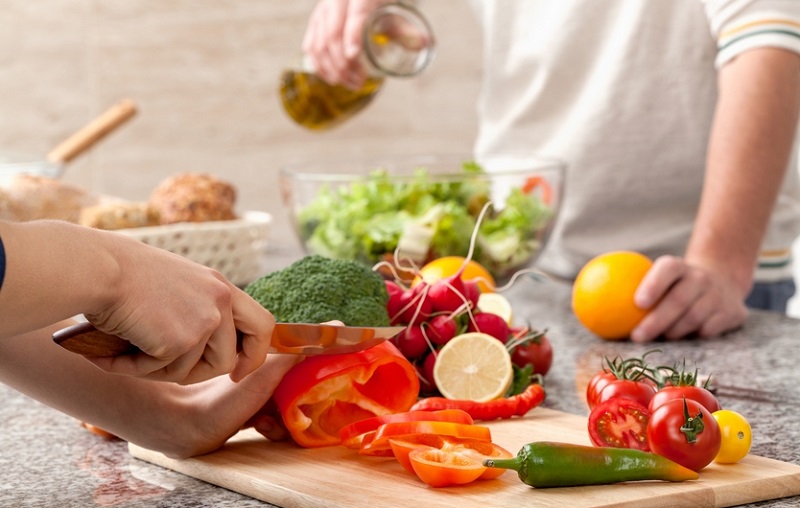
One of the most effective ways to improve meal consistency is proper preparation. Professional kitchens rely on a method called mise en place, which means arranging all ingredients before cooking begins.
Benefits of preparing ingredients in advance include:
- Reducing cooking errors
- Preventing overcooking while searching for items
- Maintaining accurate timing between steps
- Allowing smoother workflow in the kitchen
Practical preparation habits to adopt:
- Wash and chop vegetables ahead of time
- Measure spices before heating the pan
- Keep tools within easy reach
- Read the recipe fully before starting
Preparation creates control, and control creates consistent results.
Use Standard Measurements Instead of Guesswork
Cooking by estimation often leads to unpredictable flavor and texture. Measuring ingredients carefully improves reliability, especially when preparing new dishes.
Important measurement tips:
- Use measuring spoons for spices
- Level dry ingredients for accuracy
- Measure liquids at eye level
- Follow recommended ingredient ratios
Once experience grows, adjustments become easier, but consistency begins with precision.
Control Heat Levels Carefully
Heat management determines whether food cooks evenly or becomes overdone. Many inconsistent meals result from incorrect temperature control rather than ingredient mistakes.
Common heat mistakes to avoid:
- Starting with overly high flame
- Frequently changing temperature mid-cooking
- Not preheating cookware
- Cooking crowded ingredients in small pans
Reliable cooking temperature practices:
- Preheat pans before adding oil
- Use medium heat unless the recipe specifies otherwise
- Adjust gradually instead of suddenly
- Allow ingredients space to cook evenly
Consistent heat equals consistent texture and flavor.
Taste as You Cook
Regular tasting helps maintain balance in seasoning and prevents surprises at serving time.
Develop the habit of tasting:
- After adding salt
- Before finishing sauces
- During simmering stages
- Before final plating
This simple step allows timely corrections instead of last-minute fixes.
Season in Layers Instead of All at Once
Flavor develops gradually during cooking. Adding all seasoning at the end often produces uneven taste.
Layered seasoning improves:
- Depth of flavor
- Ingredient balance
- Aroma development
- Overall dish harmony
A practical approach:
- Add salt lightly during early cooking
- Adjust spices mid-process
- Finish with herbs or fresh seasoning at the end
Layering ensures consistent flavor from the first bite to the last.
Maintain Ingredient Quality and Freshness
Even perfect techniques cannot compensate for poor ingredients. Fresh produce and properly stored staples produce more reliable cooking outcomes.
Ingredient care essentials:
- Store spices in airtight containers
- Use fresh vegetables whenever possible
- Keep cooking oils sealed and cool
- Label stored leftovers with dates
Better ingredients naturally create better meals.
Keep Your Tools Clean and Organized
A tidy cooking environment improves focus and efficiency. Clean tools also prevent flavor mixing between dishes.
Helpful habits include:
- Washing knives immediately after use
- Cleaning boards between ingredients
- Organizing utensils before cooking begins
- Keeping work surfaces clear
An organized workspace supports consistent execution.
Follow Cooking Times but Watch the Food Closely
Recipes provide guidance, not strict rules. Ingredients vary slightly each time, so observation is essential.
Improve timing accuracy by:
- Checking color changes during cooking
- Monitoring texture development
- Not relying only on timers
- Adjusting cooking duration based on portion size
Observation improves consistency faster than memorizing instructions.
Record Adjustments That Improve Results
Small notes help recreate successful meals later.
Consider writing down:
- Ingredient substitutions
- Heat level changes
- Extra seasoning amounts
- Cooking time differences
Personal records turn good meals into repeatable successes.
Avoid Overcrowding the Cooking Surface
When too many ingredients cook together, moisture builds up and prevents proper browning.
For better results:
- Cook in batches when necessary
- Use wider pans
- Leave space between ingredients
- Stir only when required
Proper spacing improves both texture and flavor consistency.
Frequently Asked Questions
How can beginners improve cooking consistency quickly
Start by measuring ingredients accurately, preparing everything before cooking, and maintaining steady heat levels. These three habits produce immediate improvements.
Why do the same recipes taste different each time
Variations in ingredient freshness, measurement accuracy, and heat control often cause inconsistent outcomes.
Is tasting during cooking always necessary
Yes. Regular tasting helps correct seasoning early and ensures balanced flavor before serving.
Does cookware type affect cooking consistency
Yes. Heavy-bottom pans distribute heat evenly and reduce burning or uneven cooking.
How important is ingredient freshness for consistent results
Fresh ingredients improve texture, flavor, and cooking reliability significantly.
Should cooking time always match the recipe exactly
Not always. Cooking time depends on ingredient size, moisture level, and heat strength.
What is the easiest habit to improve meal quality immediately
Preparing ingredients in advance before turning on the stove creates better control and smoother cooking.