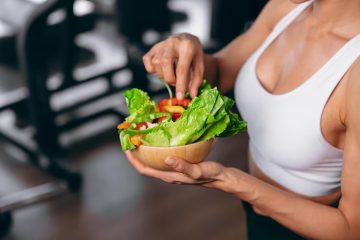

Anti-Inflammatory Eating to Support Fascia, Joints, and Recovery in Yoga Wheel Practice

Mobility-based movement places very different demands on the body compared to strength training or high-intensity workouts. When supported spinal and joint work becomes part of a regular routine, the quality of recovery and tissue health starts to matter just as much as the movement itself. Many people in Singapore practise movement consistently yet still feel stiff, sore, or slow to recover. Often, the missing link is not flexibility or effort, but nutrition that supports inflammation control and connective tissue repair.
When working with tools such as the yoga wheel, the body relies heavily on healthy fascia, hydrated joints, and resilient connective tissue. Food choices directly influence how well the body adapts to supported spinal opening, joint mobilisation, and sustained postural work. This article explores how anti-inflammatory eating supports recovery, mobility, and long-term comfort without relying on trends or restrictive diets.
Understanding Inflammation in Mobility-Focused Movement
Inflammation is not inherently bad. It is part of the body’s natural repair process. Problems arise when low-grade inflammation becomes chronic, often due to lifestyle habits rather than injury.
Why mobility work stresses connective tissue
Yoga wheel practice places controlled load on:
-
Fascia, which surrounds muscles and organs
-
Tendons and ligaments that guide joint movement
-
Joint capsules that require lubrication and nourishment
These tissues respond best when inflammation is well regulated. Excessive inflammation can make mobility feel harder rather than more fluid.
Common inflammation triggers in urban lifestyles
In Singapore, inflammation is often influenced by:
-
Highly processed convenience foods
-
Irregular meal timing due to long workdays
-
Dehydration from air-conditioned environments
-
Chronic stress affecting digestion and absorption
Addressing these factors through nutrition improves how the body responds to movement.
Fascia Health and Its Relationship with Diet
Fascia plays a crucial role in how the body moves and recovers. It is highly sensitive to hydration, nutrient availability, and systemic inflammation.
Why fascia matters in supported movement
During wheel-based practice, fascia adapts to new length and load patterns. Healthy fascia:
-
Glides smoothly during movement
-
Distributes force evenly across joints
-
Reduces unnecessary muscular tension
Inflamed or dehydrated fascia, on the other hand, feels sticky and resistant.
Nutrients that support fascial elasticity
Foods that promote fascia health typically provide:
-
Omega fatty acids to reduce inflammatory response
-
Antioxidants to protect tissue integrity
-
Adequate minerals for fluid balance
Whole foods play a more effective role here than supplements alone.
Anti-Inflammatory Foods That Support Joint and Tissue Recovery
Rather than focusing on elimination, anti-inflammatory eating prioritises inclusion of nourishing foods that support the body’s repair systems.
Foods that support joint lubrication
Joint comfort relies on adequate fluid balance and healthy fat intake. Beneficial choices include:
-
Oily fish rich in omega-3 fatty acids
-
Olive oil and cold-pressed plant oils
-
Avocados and nuts consumed in moderation
These foods support synovial fluid quality and joint smoothness.
Plant-based anti-inflammatory choices
Plant foods are particularly effective at reducing oxidative stress. Examples include:
-
Leafy greens that support mineral balance
-
Colourful vegetables rich in antioxidants
-
Herbs and spices such as turmeric and ginger used in daily cooking
Incorporating these into local meals makes anti-inflammatory eating sustainable rather than restrictive.
Protein Intake for Connective Tissue Repair
Mobility-based movement still creates micro-stress in tissues. Adequate protein supports repair and adaptation.
Why protein matters beyond muscle building
Protein provides amino acids needed for:
-
Collagen synthesis
-
Tendon and ligament maintenance
-
Fascia repair after prolonged stretching or support
Low protein intake can slow recovery even if overall calories are sufficient.
Balancing protein sources
A balanced approach may include:
-
Lean animal proteins for collagen-supporting amino acids
-
Plant-based proteins combined thoughtfully for completeness
-
Timing protein intake across the day rather than in one meal
This supports consistent tissue repair rather than short-term recovery spikes.
The Role of Hydration in Mobility and Recovery
Hydration is often underestimated in movement practices that do not involve heavy sweating.
How dehydration affects mobility
Even mild dehydration can:
-
Reduce fascial elasticity
-
Increase perceived stiffness
-
Slow nutrient delivery to joints
Air-conditioned environments common in Singapore further increase fluid loss.
Supporting hydration through food
In addition to water intake, hydration can be supported by:
-
Water-rich fruits and vegetables
-
Soups and broths with mineral content
-
Balanced electrolyte intake without excess sugar
This approach supports joint and tissue health more effectively than water alone.
Meal Timing Around Mobility-Based Practice
When and how you eat can influence how the body responds to movement.
Eating before supported practice
Heavy meals immediately before mobility work may restrict movement comfort. A lighter approach supports:
-
Better breath control
-
Reduced digestive strain
-
Improved body awareness
Simple meals with easily digestible carbohydrates and moderate protein work well.
Post-practice nourishment
After wheel-based sessions, the body benefits from:
-
Protein to support tissue repair
-
Anti-inflammatory foods to calm stress response
-
Adequate fluids to rehydrate connective tissues
This supports adaptation rather than delayed stiffness.
Foods That May Increase Stiffness and Recovery Time
Anti-inflammatory eating is also about awareness of foods that may worsen symptoms for some individuals.
Common dietary contributors to inflammation
Some people notice increased stiffness after consuming:
-
Highly refined sugars
-
Excessively fried foods
-
Alcohol in large quantities
This does not require complete avoidance, but mindful moderation helps maintain movement quality.
Individual responses matter
Inflammation responses vary. Paying attention to how the body feels after certain meals provides valuable insight into personal recovery needs.
Creating Sustainable Eating Habits for Movement Longevity
Consistency matters more than perfection. Anti-inflammatory eating should support daily life rather than add stress.
Aligning nutrition with busy schedules
Sustainable habits include:
-
Planning simple, repeatable meals
-
Keeping nutrient-dense snacks available
-
Eating mindfully even during workdays
These habits support long-term joint and fascia health.
Movement-focused studios that emphasise whole-body wellbeing, such as Yoga Edition, often encourage this integrated view of nutrition and practice, helping practitioners see recovery as part of lifestyle rather than an afterthought.
Real-Life FAQs
Q: Can anti-inflammatory eating really affect flexibility and mobility?
A: Yes. Reduced inflammation improves tissue hydration and elasticity, making movement feel smoother and less restricted over time.
Q: Do I need supplements to support fascia and joint health?
A: Whole foods provide a strong foundation. Supplements may help in specific cases, but nutrition consistency has a greater long-term impact.
Q: Is anti-inflammatory eating suitable for people who practise mobility only a few times a week?
A: Yes. Inflammation accumulates daily, not only during exercise. Regular supportive eating benefits both active and less active individuals.
Q: Can certain foods make stiffness worse even if I stretch regularly?
A: Yes. Diets high in processed foods may increase low-grade inflammation, which can counteract the benefits of mobility work.
Q: How long does it take to notice changes from dietary adjustments?
A: Some people notice improved recovery and reduced stiffness within two to three weeks of consistent changes, depending on individual metabolism and lifestyle.
By supporting connective tissue health from the inside out, anti-inflammatory eating enhances the benefits of yoga wheel practice and promotes smoother movement, faster recovery, and long-term joint resilience.