
Food Timing for Zumba in Singapore, How to Eat for Energy Without Feeling Heavy or Drained
Many people believe fitness results depend mainly on how hard they train. In reality, what and when you eat around your workout can determine whether exercise feels energising or exhausting. This is especially true for dance-based cardio, where coordination, stamina, and hydration play a major role.
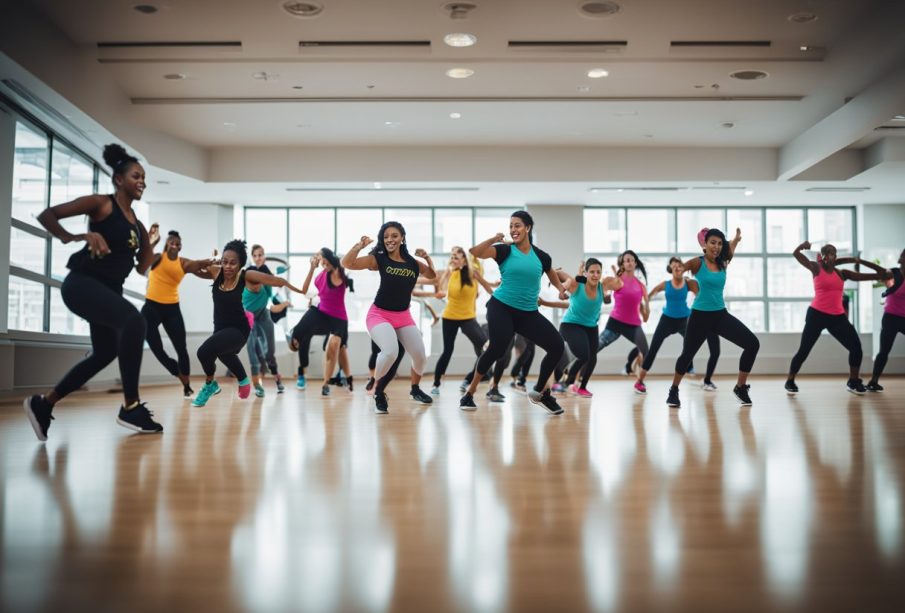
For those attending zumba classes singapore, food timing matters more than strict dieting. Zumba requires quick movements, rhythm, and sustained energy. Eating too much can cause discomfort, while eating too little can lead to dizziness and poor performance. The goal is not restriction but balance that supports movement in Singapore’s warm and humid climate.
This article explains how to structure meals and snacks around Zumba sessions so you feel light, energised, and well recovered, without complicated rules or extreme plans.
Why Food Timing Matters for Dance Cardio
Zumba is different from weight training or slow cardio.
Continuous Movement Demands Fuel
Zumba keeps the heart rate elevated for extended periods. Without adequate fuel, energy drops quickly.
Coordination Requires Mental Clarity
Low blood sugar affects focus, timing, and balance, which increases fatigue and frustration.
Heat and Humidity Increase Fluid Loss
Sweating more means electrolytes and hydration become just as important as calories.
Digestive Comfort Affects Performance
Heavy meals slow digestion and cause discomfort during twisting and bouncing movements.
Understanding these factors helps explain why food timing often matters more than total calories for Zumba.
Eating Before a Zumba Class
The goal of pre-class nutrition is simple. Provide enough energy without weighing the body down.
Timing Your Pre-Class Meal
-
Large meals work best two to three hours before class
-
Small snacks are suitable 45 to 60 minutes before class
This allows digestion without leaving you hungry or sluggish.
What to Eat Before Class
Focus on carbohydrates with a small amount of protein.
Good options include:
-
Rice with lean protein eaten earlier in the day
-
Toast with nut butter
-
Fruit with yoghurt
-
Oats prepared with water or low-fat milk
These foods provide steady energy without digestive stress.
What to Avoid Before Class
-
Heavy fried foods
-
Very spicy meals
-
Large portions close to class time
-
Excessive caffeine
These increase discomfort and dehydration risk.
Managing Evening Zumba Sessions After Work
Many people in Singapore attend Zumba after office hours, which creates unique challenges.
If Lunch Was Light
A small snack before class helps prevent energy crashes.
If Lunch Was Heavy
You may not need additional food. Focus on hydration instead.
Avoid Skipping Food Completely
Training on empty stomachs often leads to dizziness, poor coordination, and reduced enjoyment.
Listening to hunger cues works better than rigid rules.
Hydration Strategies for Zumba in Singapore
Hydration is often overlooked but critical for performance.
Start Hydrated
Do not wait until class starts to drink water. Begin hydrating throughout the day.
During Class
Sip water as needed. Small amounts are better than large gulps.
Electrolytes
For long or intense sessions, light electrolyte drinks can help replace sodium lost through sweat.
Avoid Overhydration
Drinking excessive water without electrolytes may cause bloating and discomfort.
Balanced hydration improves stamina and recovery.
Eating After Zumba for Recovery
Post-class nutrition supports muscle repair and energy restoration.
Timing Matters
Eat within one to two hours after class for best recovery.
Balanced Recovery Meals
Include:
-
Protein to support muscle repair
-
Carbohydrates to replenish energy
-
Vegetables for micronutrients
Examples include:
-
Rice with lean protein and vegetables
-
Noodles with tofu or eggs
-
Light soups with protein and grains
Late Night Considerations
If class ends late, keep meals lighter to avoid sleep disruption.
Managing Appetite After Dance Workouts
Some people feel very hungry after Zumba. Others lose appetite.
Increased Hunger
This often means earlier meals were insufficient. Add protein and fibre earlier in the day.
Reduced Appetite
Light meals are still important. Skipping post-class food can affect recovery.
Cravings
Dance workouts can trigger sugar cravings. Balanced meals reduce this effect.
Eating mindfully helps avoid overeating later at night.
Food Timing for Weight Management With Zumba
Food timing supports consistency rather than extreme fat loss tactics.
Avoid Severe Restriction
Under-eating reduces energy and enjoyment, which hurts long-term adherence.
Focus on Regular Meals
Stable blood sugar supports better performance and recovery.
Consistency Beats Perfection
Occasional indulgences do not undo progress when routines are stable.
Zumba works best when paired with sustainable eating habits.
How Zumba Influences Eating Behaviour
Dance-based exercise affects appetite differently from rigid workouts.
Mood Improvement
Better mood reduces emotional eating.
Increased Body Awareness
People become more attuned to hunger and fullness cues.
Reduced Guilt Around Food
Enjoyable movement encourages balanced choices rather than restriction.
This relationship with food supports long-term wellbeing.
Supporting Nutrition With a Structured Training Environment
A consistent routine makes eating habits easier to manage.
Training regularly at a place like True Fitness Singapore helps people plan meals more effectively around fixed class times. This structure reduces last-minute food decisions and improves adherence to healthy routines.
Consistency creates predictability, which supports better nutrition choices.
Common Nutrition Mistakes Around Zumba
-
Skipping meals to save calories
-
Eating very heavy meals close to class
-
Ignoring hydration
-
Relying only on sugar for energy
-
Avoiding post-class meals
Correcting these habits improves performance and enjoyment.
Building a Simple Food Routine Around Zumba
A practical approach works best.
-
Eat regular meals during the day
-
Add small snacks when needed
-
Hydrate consistently
-
Adjust portion sizes based on hunger
-
Avoid extremes
This flexibility supports both fitness and lifestyle.
Real-Life FAQ
Can I do Zumba on an empty stomach?
It is possible but not ideal. Light fuel improves energy and coordination.
What is the best snack before Zumba?
Fruit, yoghurt, or toast with nut butter work well.
Should I avoid rice if I attend Zumba?
No. Rice provides useful energy when eaten in appropriate portions.
Do I need protein shakes after class?
Not necessary. Whole foods work just as well.
How much water should I drink during class?
Sip as needed. Avoid large amounts at once.
Can Zumba help regulate appetite?
Yes. Enjoyable movement often improves hunger awareness.
Is it okay to eat late after Zumba?
Yes, keep meals lighter and balanced.
Will eating properly improve my performance?
Yes. Good nutrition improves stamina, coordination, and recovery.