
The Role of Food in Cultural Identity
Food is far more than nourishment. It is a living expression of history, memory, geography, and belonging. Across generations and regions, culinary traditions help people understand who they are and where they come from. From family recipes passed down through centuries to festival dishes prepared once a year, food preserves identity in ways language and clothing sometimes cannot.
Cultural identity is shaped by shared experiences, and meals often sit at the center of those experiences. Whether prepared in homes, served at celebrations, or sold in neighborhood markets, food reflects the values, environment, and stories of a community.
How Food Reflects Cultural Roots
Food traditions are closely tied to the natural environment, migration patterns, and historical developments of a society. Ingredients available locally influence cooking styles, while trade routes introduce new flavors that become part of regional identity.
For example:
- Coastal communities rely heavily on seafood-based dishes
- Agricultural regions build cuisines around grains and vegetables
- Desert cultures develop preservation techniques such as drying and fermenting
These adaptations are not random. They reflect how communities survive, celebrate, and connect with their surroundings.
Traditional recipes often act as cultural archives. They store knowledge about climate, farming practices, and even spiritual beliefs.
Food as a Marker of Belonging
Meals help people recognize shared identity within families and communities. Eating the same dishes creates a sense of familiarity and unity that strengthens cultural continuity.
This sense of belonging appears in several ways:
- Family gatherings centered around traditional cooking
- Community feasts during festivals and ceremonies
- Religious meals prepared according to specific customs
- Regional specialties that symbolize hometown pride
Even when individuals migrate far from their homeland, recreating familiar meals helps maintain emotional ties to their origins.
The Role of Food in Celebrations and Rituals
Cultural celebrations often revolve around specific dishes that hold symbolic meaning. These foods represent prosperity, gratitude, remembrance, or renewal depending on the occasion.
Examples include:
- Sweets prepared during festivals to symbolize joy and abundance
- Special breads shared during religious observances
- Seasonal dishes marking harvest celebrations
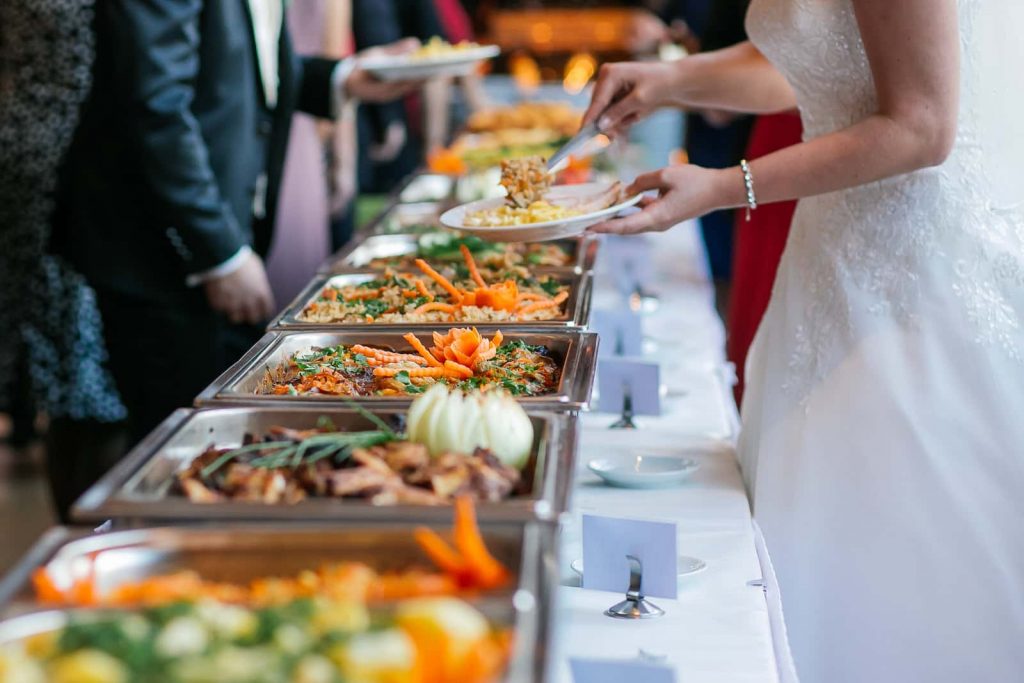
- Communal meals strengthening social bonds
Because these foods appear at meaningful moments in life, they become powerful carriers of cultural memory.
Food and Intergenerational Knowledge Transfer
Cooking is one of the most practical ways culture moves from one generation to the next. Recipes are rarely just instructions. They are stories shaped by experience.
When elders teach younger family members how to cook traditional meals, they pass along:
- Language and expressions connected to food preparation
- Cultural etiquette around hospitality
- Historical knowledge about ingredients
- Techniques developed through lived experience
This process ensures that identity survives even as societies change.
Migration and the Evolution of Cultural Cuisine
Migration does not erase food traditions. Instead, it reshapes them. When communities settle in new regions, they adapt recipes using locally available ingredients while preserving familiar flavors.
This process leads to:
- Fusion cuisines blending multiple traditions
- Reinvention of heritage dishes in new contexts
- Preservation of identity within diaspora communities
Restaurants run by immigrant families often become cultural bridges that introduce traditions to wider audiences while maintaining connections to ancestral roots.
Food as a Form of Cultural Expression
Cuisine functions as a creative language. It communicates identity through taste, texture, aroma, and presentation. Traditional cooking methods often carry symbolic meaning that reflects community values such as patience, cooperation, or respect for nature.
For instance:
- Slow cooking techniques highlight the importance of time and care
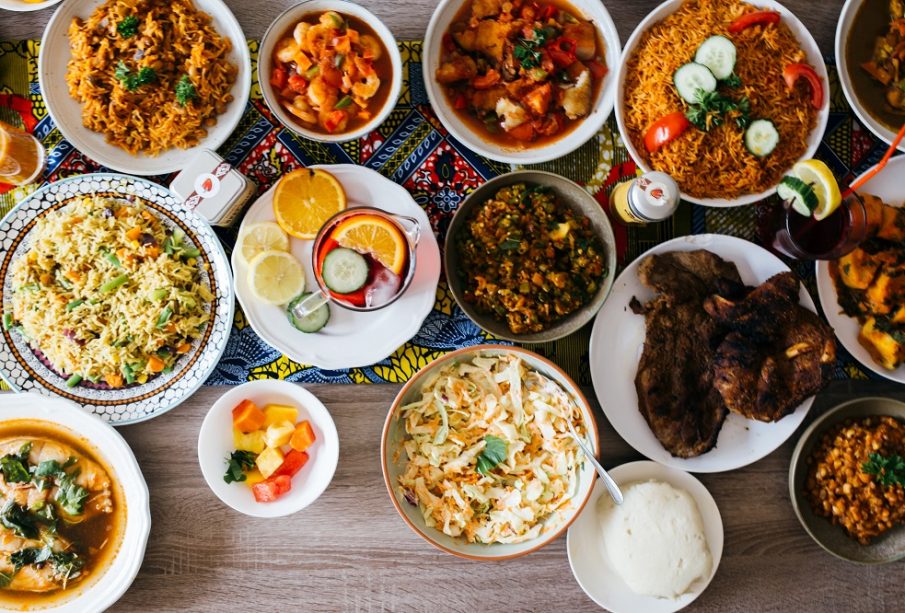
- Shared platters emphasize collective dining practices
- Hand-prepared foods demonstrate craftsmanship and heritage pride
Through these practices, communities express identity without words.
Globalization and Cultural Preservation Through Food
Globalization has increased access to diverse cuisines, but it has also made preserving traditional food practices more important. As fast food and industrial production expand, communities increasingly recognize the value of protecting their culinary heritage.
Efforts to preserve food identity include:
- Documenting traditional recipes
- Promoting regional ingredients
- Supporting local farmers and markets
- Teaching cultural cooking practices in families and schools
These efforts ensure that food continues to reflect authentic cultural identity rather than becoming uniform across regions.
Food as a Source of Cultural Pride
Traditional dishes often serve as symbols of national or regional identity. People frequently associate certain foods with their homeland, and sharing these meals becomes a way to celebrate heritage.
Cultural pride expressed through food can be seen in:
- Regional festivals celebrating local cuisine
- Culinary tourism highlighting traditional recipes
- Community kitchens preserving heritage cooking styles
- Families maintaining ancestral cooking traditions at home
Such practices strengthen connections between individuals and their cultural background.
Conclusion
Food remains one of the most enduring expressions of cultural identity. It carries memories across generations, connects communities across distances, and preserves traditions through everyday practice. While societies continue to evolve, culinary heritage remains a stable link between past and present, shaping how individuals understand themselves and their place in the world.
Frequently Asked Questions
1. Why is food considered an important part of cultural identity
Food reflects history, geography, traditions, and shared experiences within a community. It helps individuals connect with their heritage and maintain cultural continuity across generations.
2. How does traditional food strengthen family relationships
Preparing and sharing traditional meals encourages communication, cooperation, and storytelling within families, reinforcing emotional bonds and cultural understanding.
3. Can cultural identity survive without traditional cuisine
Cultural identity includes many elements, but food plays a major role in preserving traditions. Without it, communities may lose important connections to their history and customs.
4. How does migration influence traditional food practices
Migration often leads to adaptation of recipes using new ingredients while preserving original cooking methods and flavors that maintain cultural identity.
5. Why are festival foods different from everyday meals
Festival foods often carry symbolic meanings related to celebration, spirituality, or seasonal change, making them more culturally significant than routine meals.
6. How does globalization affect traditional cuisines
Globalization increases exposure to diverse foods but can also threaten traditional cooking practices. Many communities respond by actively preserving their culinary heritage.
7. What role do younger generations play in preserving cultural food traditions
Younger generations help sustain traditions by learning family recipes, documenting cooking practices, and adapting heritage dishes in ways that remain meaningful in modern contexts