
Cooking Tips to Improve Taste Without Extra Ingredients
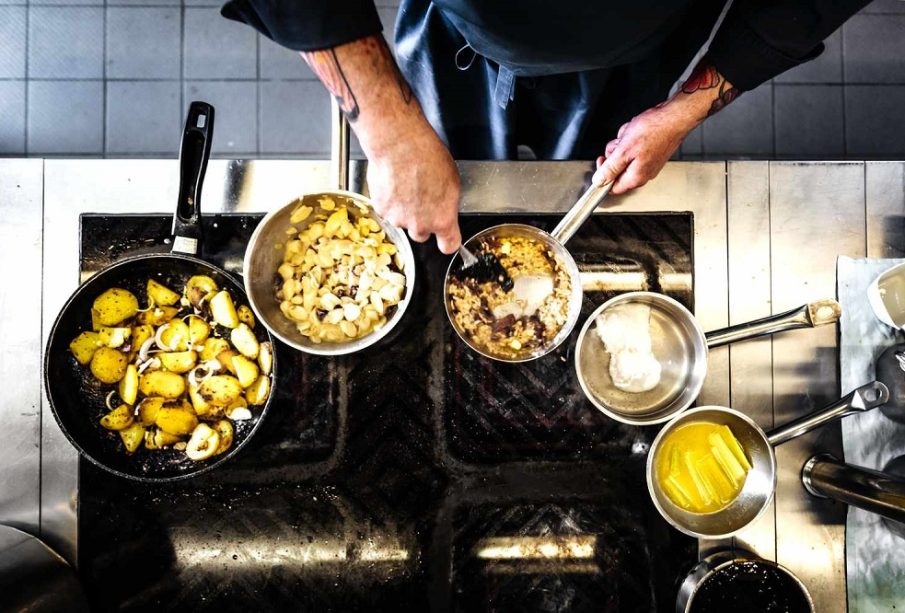
Improving the taste of food does not always require buying more ingredients. Many professional cooks rely on technique, timing, and simple adjustments to enhance flavor naturally. By refining how ingredients are handled and cooked, meals can become richer, more balanced, and more satisfying without changing the shopping list.
Use Proper Heat Control for Better Flavor
Heat is one of the most powerful tools for improving taste. Incorrect temperature often leads to dull or uneven flavors.
Effective heat practices include:
- Preheating pans before adding ingredients
- Cooking onions slowly until lightly golden instead of rushing
- Avoiding very high heat unless necessary
- Allowing ingredients time to develop natural flavor
Balanced heat helps ingredients release their natural aroma and sweetness.
Cook Ingredients in the Right Order
Adding ingredients at the correct stage improves depth and balance in the final dish.
A practical cooking sequence often looks like this:
- Start with aromatics such as onions or garlic
- Add vegetables that need longer cooking
- Add quick-cooking ingredients later
- Finish with delicate herbs or garnishes if already part of the recipe
Proper sequencing allows each ingredient to contribute its full flavor.
Toast Spices Before Using Them
Spices already present in your kitchen can taste stronger and fresher when lightly heated.
Benefits of toasting spices:
- Releases essential oils naturally
- Deepens aroma without adding new ingredients
- Enhances complexity of flavor
- Improves overall dish richness
Dry roasting for a short time before cooking can transform familiar seasonings.
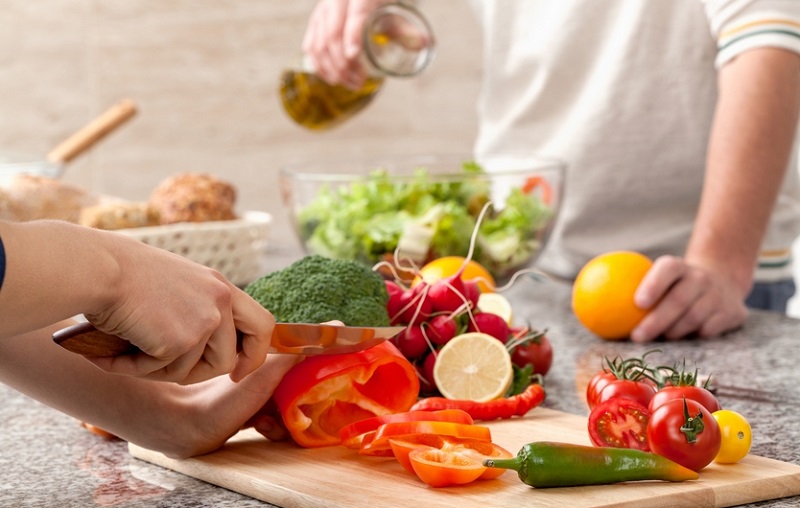
Cut Ingredients Evenly for Balanced Cooking
Uneven cutting leads to uneven cooking and inconsistent taste.
Improve results by:
- Keeping vegetable pieces similar in size
- Slicing proteins evenly
- Avoiding very thick and very thin pieces together
- Using sharp knives for clean cuts
Uniform pieces cook at the same rate and maintain consistent texture.
Allow Ingredients to Brown Naturally
Browning creates deeper flavor through natural caramelization. Many cooks stir too frequently and prevent this process.
Better browning techniques include:
- Letting food sit briefly before stirring
- Using a wide pan instead of overcrowding
- Cooking in small batches when necessary
- Keeping moisture levels low in the pan
Proper browning adds richness without changing ingredients.
Use Salt at the Right Time
Salt improves taste most when added gradually rather than all at once.
Smart timing includes:
- Adding a small amount early during cooking
- Adjusting midway if needed
- Finishing with a final check before serving
This method distributes seasoning evenly across the dish.
Rest Cooked Food Before Serving
Resting allows flavors to settle and juices to redistribute, especially in cooked grains and proteins.
Examples of resting benefits:
- Rice becomes fluffier
- Meat stays moist
- Sauces thicken slightly
- Texture improves naturally
Even a short resting period improves the final taste noticeably.
Stir Only When Necessary
Constant stirring prevents flavor concentration and slows browning.
Instead:
- Stir occasionally rather than continuously
- Allow surfaces to contact heat directly
- Let ingredients cook undisturbed when possible
This small change improves texture and depth of flavor.
Cook With the Lid On or Off Intentionally
Managing moisture changes taste and texture.
Use the lid:
- When softening vegetables
- When cooking grains
- When simmering sauces gently
Keep the lid off:
- When reducing liquids
- When thickening sauces
- When encouraging browning
Intentional moisture control improves flavor concentration.
Taste Before Serving and Adjust Technique
Final tasting ensures the cooking process achieved the desired balance.
During this stage:
- Check texture
- Evaluate aroma
- Confirm seasoning balance
- Adjust cooking time slightly if required
Last-minute adjustments often make the biggest difference.
Frequently Asked Questions
Why does browning food improve taste so much
Browning develops deeper flavor through natural reactions that create richer aroma and complexity during cooking.
Can cooking slowly improve flavor without adding ingredients
Yes. Slow cooking allows ingredients to release natural sweetness and blend flavors more effectively.
Does pan size affect how food tastes
Yes. Larger pans prevent overcrowding and help ingredients brown properly instead of steaming.
Is resting food necessary for vegetables as well as grains
Yes. Resting helps vegetables retain moisture and improves overall texture after cooking.
Why should spices be heated before cooking
Light heating activates their natural oils and strengthens their aroma.
Does stirring too often reduce flavor quality
Yes. Frequent stirring prevents caramelization and limits flavor development.
How does cutting technique influence taste
Even cutting ensures uniform cooking, which improves both texture and flavor consistency.